Full List of What is Allowed and Not Allowed in Your Dumpster
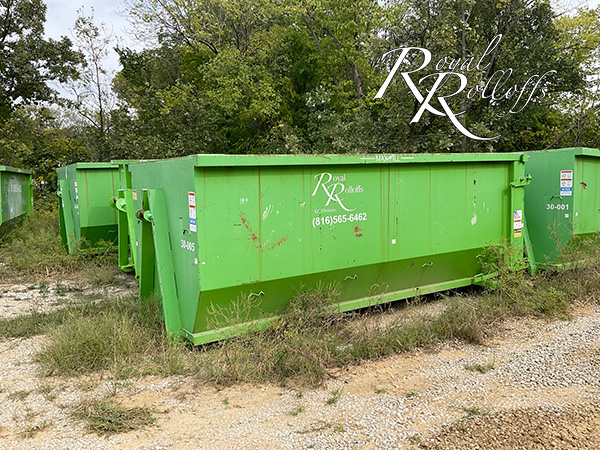
When planning your next cleanout or remodel around Independence, MO, understanding what can and cannot go into your dumpster rental is essential. Homeowners and contractors are often unaware to learn that certain items cannot go into a dumpster. Being informed keeps your project on track, costly surprises, and potential safety hazards during your project. At Royal Rolloffs, we aim to make the process simple by guiding you through what is acceptable and what must be handled separately. Following this list will help you plan ahead and load safely.
Responsible disposal goes beyond simply getting rid of junk. It makes sure you follow disposal guidelines, protects everyone on the jobsite, and reduces pollution. By learning what items belong in a dumpster and which ones require special handling, you can stay on schedule without complications. This article covers common categories of waste, points out prohibited items, and gives suggestions for proper loading and disposal.
Residential Junk and Everyday Trash
Household clutter is typically permitted. These include things like broken chairs, unwanted clothing, old toys, cardboard boxes, and everyday trash. Such items are simple to handle and are often the majority of debris from cleanouts. When emptying rooms full of clutter, these are typically the first items to go into the container. Keeping them together and organized helps maximize space and keeps the loading process efficient.
You can also dispose of materials from home renovation such as drywall and flooring. These are typical results of repairs and remodels. Breaking apart bulky items and placing heavy debris first helps maximize space. This creates a stable load and allows more room for lighter materials on top. Continuous sorting keeps the project organized and avoids overflow.
Green Waste and Exterior Cleanups
Yard waste is generally accepted and includes grass clippings, leaves, branches, and shrubs. These containers are convenient for major landscaping or seasonal yard work. Separating green waste from general junk helps with recycling and disposal rules. It is recommended to cut down oversized roots and stumps before loading, as they may be subject to special processing.
Outdoor materials such as fencing, decks, and patio furniture are also acceptable as long as they are free from hazardous coatings. Avoid wood treated with dangerous chemicals, because they need special treatment. Concrete, stone, or brick from patio work can be included but must be balanced. Even loading protects the container and ensures safe hauling.
Items That Cannot Be Placed in a Dumpster
Specific hazardous items are prohibited for health and environmental safety. Oil, gasoline, and pesticides are strictly prohibited. These substances can leak or react, creating dangerous conditions for waste handlers and the environment. Always check with local waste authorities for safe disposal options.
Cooling appliances often have to be cleared of chemicals first. Electronics, batteries, and fluorescent bulbs often require special handling due to the presence of heavy metals or chemicals. Sharps, medical debris, and hazardous soil must not be disposed of in a dumpster. Being aware of these restrictions before loading the dumpster saves time and ensures compliance with disposal regulations.
Construction and Demolition Debris
Construction and demolition debris is one of the most common uses for dumpster rentals. You can toss concrete, shingles, wood, and metal into the container safely. Grouping debris by category helps reduce landfill waste and supports sustainable disposal. We coordinate with project managers to make sure construction materials are disposed of properly.
Tear-down projects generate large quantities of waste like tiles, plaster, and glass. They may be disposed of if free of hazardous substances like asbestos. Asbestos requires professional testing and abatement before loading. Planning ahead prevents stoppages and protects workers.
Managing Heavy Debris Safely
Dense materials like dirt and asphalt are accepted with weight precautions. Weight builds up fast and can cause the container to be unsafe for hauling. Customers should be mindful of how much heavy material is placed inside to avoid exceeding weight limits. In some cases, separating these materials into smaller loads may be necessary to ensure safe hauling.
If you are working on a landscaping or excavation project, loading dirt and rock carefully helps balance the weight in the container. Balancing weight helps protect the container and truck. Letting us know what heavy debris you have helps us prepare the right solution. Planning ahead ensures that the container is used safely and efficiently for your project needs.
Environmentally Responsible Practices
Proper waste management plays a key role in protecting the environment and community. Careful sorting reduces landfill impact and protects the environment. We partner with recycling and disposal facilities for responsible waste processing. This commitment helps click here keep Independence, MO, clean and safe for future generations.
When customers take time to separate recyclables like metal, cardboard, and certain plastics, it makes the disposal process more sustainable. Doing this helps ensure smoother collection and transport. Royal Rolloffs helps clients organize their waste for proper disposal. Compliance and responsibility go hand-in-hand when these steps are followed.
Maximizing the Benefits of Your Dumpster
Being aware of accepted and restricted items ensures a stress-free rental. People throughout Independence, MO, count on Royal Rolloffs for expert guidance and quality dumpsters. Careful sorting, following restrictions, and preparing for weight limits prevent costly delays. Our mission is to make waste removal easy and safe for all projects. No matter if it’s a cleanout, renovation, or outdoor project, we ensure your container meets your needs.